Sunday, April 22, 2007
They didn't know it was Jesus
Peace! In John's accounts of the resurrection appearances, the setting seems so unremarkable. A man in the garden, a figure on the lakeshore. I once read this gospel in the spot where tradition says this occured. It was an incredible sensation, to read the words, "They were not far from shore, just about a hundred yards," and then point to the spot. Jesus did not appear in flashes of lightning or amid wind and earthquake, but quietly walking on the lakeshore and giving some fishermen advice. God walks in the everyday world. Our task is not to make God appear among us, but to recognize His presence. That is what Francis learned to do, like the apostles learning to recognize Jesus' presence even in the humiliating and painful events of life. God help us all, too, for His love is for all of us. Happy Easter!


Thursday, April 19, 2007
I See Nothing but Violence and Strife in the City

Peace! Blessings in the Risen Christ!
As we are daily reminded, there is much violence in the world. At the extremes we can either try to ignore it as much as possible or let it dominate our thoughts. Or take the third way: know that there is violence and evil, but never believe that they are ultimate. The reason to believe that: Jesus' death and resurrection. This is what helped Francis survive his own experiences of violence, both in the world around him and within his own heart. Thirteenth-century central Italy was an incredibly beautiful world, filled with an incredible amount of violence. Francis had experienced Assisi's war with Perugia, a very violent local affair, not as an observer but a participant. That experience of the futility of violence, when opened up by the teachings of the living Christ, helped make him an "instrument of God's peace." May St. Francis help us to be such in the world where violence still seems to reign, from Virginia to Iraq to Darfur. And with Francis may we humbly do what we can to be instruments of peace. God bless!
Saturday, March 31, 2007
Will He Come to the Passover Feast?
“So from that day on they planned to kill him. So Jesus no longer walked about in public among the Jews, but he left for the region near the desert, to a town called Ephraim, and there he remained with his disciples. Now the Passover of the Jews was near, and many went up from the country to Jerusalem before Passover to purify themselves. They looked for Jesus and said to one another as they were in the temple area, “What do you think? That he will not come to the feast?” (John 11)
The hostility of his enemies is growing, and Jesus knows that his actions will have consequences. He does not push things unduly, but he has a choice: celebrate the great feast of the Lord’s deliverance in a public place, and so put himself within the reach of his enemies, or hide away and praise the Father quietly in private. John always emphasizes in his Gospel that Jesus chooses, he is not just some unwitting pawn.
That is part of conversion: choosing to act, to do things, even though some of them may open us up to attack. That is a choice Francis had to make in regard to facing his father. For a while, he was too afraid of the consequences and hid from his father. But at last he knew if his choice were to be truly authentic, he had to face his father no matter what. I am sure Francis hoped his father, Pietro, would understand his choices and support him, or at least let him go with a tacit blessing. But he knew his father, and knew that there were other more likely reactions. He went forth, anyway, right into the heart of town, to meet Pietro and see what would happen, trusting that whatever happened God would be there.
Knowing God is with us in hard decisions is so vital. And so Jesus chose to show us the truth of it: His Father was with Him, even when He chose to go to Jerusalem for the Passover and face the hostility that was building. May God give us this faith and courage too, in all the little decisions as well as the big ones that are difficult to make.
Peace and Good!
The hostility of his enemies is growing, and Jesus knows that his actions will have consequences. He does not push things unduly, but he has a choice: celebrate the great feast of the Lord’s deliverance in a public place, and so put himself within the reach of his enemies, or hide away and praise the Father quietly in private. John always emphasizes in his Gospel that Jesus chooses, he is not just some unwitting pawn.
That is part of conversion: choosing to act, to do things, even though some of them may open us up to attack. That is a choice Francis had to make in regard to facing his father. For a while, he was too afraid of the consequences and hid from his father. But at last he knew if his choice were to be truly authentic, he had to face his father no matter what. I am sure Francis hoped his father, Pietro, would understand his choices and support him, or at least let him go with a tacit blessing. But he knew his father, and knew that there were other more likely reactions. He went forth, anyway, right into the heart of town, to meet Pietro and see what would happen, trusting that whatever happened God would be there.
Knowing God is with us in hard decisions is so vital. And so Jesus chose to show us the truth of it: His Father was with Him, even when He chose to go to Jerusalem for the Passover and face the hostility that was building. May God give us this faith and courage too, in all the little decisions as well as the big ones that are difficult to make.
Peace and Good!
Thursday, March 29, 2007
The Word Betrayed
 We near Holy Week, and the readings take a definite turn. The tension is mounting as Jesus confronts the unbelief of this world.
In deciding to live among us, the Word opened itself to both being accepted and being rejected. That is what love does, and so decisions made from true love have to be made with the awareness that betrayal is always an option. Yet, that is what God calls us to: choosing to love others while knowing that love will be betrayed in one way or another. Even the death of a loved one is a form of that betrayal, because human love promises eternity but can’t deliver it. Which is why, of course, it has to be grounded in divine love.
Francis’s conversion included accepting others: “The Lord gave me brothers.” These were the brothers who loved and supported him, who challenged and pained him. But he accepted it as part of the via crucis, the way of the cross.
So, Love: but know you will be disappointed and even betrayed. Love in Christ: and know that the crucifixion and resurrection are tied together in the one great mystery of faith.
Peace and Good!
Monday, March 26, 2007
The Word Made Flesh

Peace and Good! There are two extreme views of human free will: the ‘scientific’ view that we have none, that all is genetically, physically, and chemically predetermined, or its opposite, that our own will is the ultimate reality, the ultimate good. It is this second view that Milton puts into the mouth of Lucifer: “Better to reign in hell than serve in heaven.”
The feast of the Annunciation tells us that neither extreme is correct. We have a free will, and that will enables us to consent or not to being what we are: creatures of God. Yet, saying ‘yes’ to God does not mean that things are within our control. Mary says ‘yes’ to God through the angel (thank you, Mother), but she does not know all that it will entail. She does not control the way in which her Son will be the Messiah. That’s why her ‘yes’ was not complete until she stood beneath the cross and accepted that her Son, crucified and dying, was still indeed the Messiah, the Son of God.
Francis did not know what accepting the Lord’s will in his life would entail. He reminded himself often in prayer that it was “a true and holy will.” Sometimes this was obvious, sometimes it was not. But he ultimately had faith in the fact that God is good and so God’s will is what is best for us.
We all have to struggle to live this by learning to say ‘yes’ to God in our lives. We do this in many different ways. Parents accepting a child into their lives are called to say, ‘yes, we will accept this child,’ even though they have no idea how that infant will turn out. The way of conversion is the way of faith, believing the in goodness of God and seeking His will. We don’t do that all at once: conversion is a daily process.

The feast of the Annunciation tells us that neither extreme is correct. We have a free will, and that will enables us to consent or not to being what we are: creatures of God. Yet, saying ‘yes’ to God does not mean that things are within our control. Mary says ‘yes’ to God through the angel (thank you, Mother), but she does not know all that it will entail. She does not control the way in which her Son will be the Messiah. That’s why her ‘yes’ was not complete until she stood beneath the cross and accepted that her Son, crucified and dying, was still indeed the Messiah, the Son of God.
Francis did not know what accepting the Lord’s will in his life would entail. He reminded himself often in prayer that it was “a true and holy will.” Sometimes this was obvious, sometimes it was not. But he ultimately had faith in the fact that God is good and so God’s will is what is best for us.
We all have to struggle to live this by learning to say ‘yes’ to God in our lives. We do this in many different ways. Parents accepting a child into their lives are called to say, ‘yes, we will accept this child,’ even though they have no idea how that infant will turn out. The way of conversion is the way of faith, believing the in goodness of God and seeking His will. We don’t do that all at once: conversion is a daily process.

Today let us ask those who have gone through this to help us: Holy Mary, our Mother, Francis and all the saints. Let it be done to us according to God’s Word, the Word made Flesh who dwells among us.
Thursday, March 15, 2007
Preaching the Unwelcome Word
Peace and Good! Jeremiah the prophet had it hard: not only was his message unpopular, but God even told him that no one would listen to him! So why go on? Because God's word burned with in him. There are three reasons to preach, to share our faith: to praise God, to help others, to remind ourselves. Francis knew this. He preached as much to remind himself of the power and goodness of God as to tell others of it. This is why he was able to be a preacher both humble and yet forceful. And in all, praise the goodness and power of God. That is what we all are asked by God to do, a task not always easy, but one in which is life.
God bless!
God bless!
Sunday, March 11, 2007
Clipped and Manured

“I shall cultivate the ground around it and fertilize it.” (Luke 13:9) So the gardener says in the parable of the fig tree which bore no fruit. In plants, growth is often stimulated by things which might seem contrary: cutting them back, and surrounding them with smelly waste products. In our life of conversion, the same thing is often true. The things that seem to cut us up, to take away what we think is vital, are what God uses to help us to grow beyond what we can imagine, like roses which are cut back drastically to help them blossom in an amazing way.
So Francis discovered in his life. It was at moment’s of pain—the expression of his father’s anger and greed, being thrown into a ditch by robbers—that he found out more clearly who he was, who God called him to be. Even when he was surrounded by the manure of his own and his brothers’ weaknesses, he found deeper growth.
I think Francis had to learn this in his life, and it was this truth he wanted to share: the goodness of God is found even in garden shears and piles of manure! God is good, all good, ever good, the supreme good, who will not force us to grow, but rather invites us, again and again. We ask the strength to choose him, to become fig trees that do what they were made to do: bear figs.
Peace and Good!
So Francis discovered in his life. It was at moment’s of pain—the expression of his father’s anger and greed, being thrown into a ditch by robbers—that he found out more clearly who he was, who God called him to be. Even when he was surrounded by the manure of his own and his brothers’ weaknesses, he found deeper growth.
I think Francis had to learn this in his life, and it was this truth he wanted to share: the goodness of God is found even in garden shears and piles of manure! God is good, all good, ever good, the supreme good, who will not force us to grow, but rather invites us, again and again. We ask the strength to choose him, to become fig trees that do what they were made to do: bear figs.

Peace and Good!
Wednesday, March 07, 2007
Do Not Judge; Love your enemies
The Gospel readings these days have told us of the importance of humility, its centrality in our following of Christ. The saints tell us that a great aid to our humility is to focus on our own littleness, but more importantly to focus on the greatness of God. To be open to God’s actions is to learn to be humble, because God acts often when we least expect, and uses the instruments we least suspect. This is connected with Jesus’ command not to judge. Of course we must make judgments in our lives, about good and evil, about situations and decisions. But Jesus warns us against judging anything, or anyone’s ultimate value. That is for God alone, who gives rain to the just and the unjust, the saints and the sinners. Any person’s value ultimately comes from God, and is not subject to human judgment or determination. It is hard to accept this at times, for it leads us to Jesus’ command: Love your enemies. Pray for your persecutors.
 Humility led St. Francis to the great realization that we should not only pray for our persecutors, but even thank God for them, because sometimes the Lord uses even our enemies to guide in our lives. Who knows what instruments God will choose? If we judge and put ourselves above others, we may not be able to listen to God speaking through them.
Francis learned this lesson through the experiences of his life. One major one was his encounter with the leper, of course. In his wildest dreams he never would have thought that God would touch him through the disgusting, diseased flesh of a leper. Yet, as he tells us, that is exactly what God did.
Even more important, I think, was Francis’s experience with Bishop Guido of Assisi. They tell us Guido was a passionate, greedy man in many ways, prone to fits of anger. Francis could easily have judged him and condemned him in his heart. He certainly would have been suspicious of any help he might receive for his new gospel venture from the bishop. Yet, with faith he turned to Guido as a minister of God’s Church, and found that God used that bishop to help him discover his vocation. When Francis’s father left him naked in the piazza, it was Guido who covered him with his mantle and helped him on his way. Francis found support from this ‘worldly’ bishop and turned to him for advice. Francis, too, had a good effect on Guido. This experience probably helped Francis grow in his faith in Christ’s promise to be with his Church always, despite the failings of some of its members.
Lent may be a good time for us to ask God’s grace to listen even to those who annoy us, those who hurt us, even those who persecute us. Whatever their intentions, God may use them as instruments. And, who knows: God may want to use us as instruments in their lives.
Peace and All Good!
 Humility led St. Francis to the great realization that we should not only pray for our persecutors, but even thank God for them, because sometimes the Lord uses even our enemies to guide in our lives. Who knows what instruments God will choose? If we judge and put ourselves above others, we may not be able to listen to God speaking through them.
Francis learned this lesson through the experiences of his life. One major one was his encounter with the leper, of course. In his wildest dreams he never would have thought that God would touch him through the disgusting, diseased flesh of a leper. Yet, as he tells us, that is exactly what God did.
Even more important, I think, was Francis’s experience with Bishop Guido of Assisi. They tell us Guido was a passionate, greedy man in many ways, prone to fits of anger. Francis could easily have judged him and condemned him in his heart. He certainly would have been suspicious of any help he might receive for his new gospel venture from the bishop. Yet, with faith he turned to Guido as a minister of God’s Church, and found that God used that bishop to help him discover his vocation. When Francis’s father left him naked in the piazza, it was Guido who covered him with his mantle and helped him on his way. Francis found support from this ‘worldly’ bishop and turned to him for advice. Francis, too, had a good effect on Guido. This experience probably helped Francis grow in his faith in Christ’s promise to be with his Church always, despite the failings of some of its members.
Lent may be a good time for us to ask God’s grace to listen even to those who annoy us, those who hurt us, even those who persecute us. Whatever their intentions, God may use them as instruments. And, who knows: God may want to use us as instruments in their lives.
Peace and All Good!
Sunday, March 04, 2007
Transfiguration and Conversion
Peace! This second Sunday of Lent always brings us the story of the Transfiguration, because witnessing that event was part of the road to the Apostles’ conversion, and ours. God calls us to open our eyes, or more precisely, let the Spirit open them for us, so that we can see more of ‘what’s there.’ We all have limited vision: limited by our upbringing, our experiences, our character, our expectations. We can only see part of the truth, and need to be shown there is more. And to accept it.
Peter was expressing the temptation to not accept that vision. We often take his saying, “Let us build three booths,” as a sign that he wanted to hold on to the experience, didn’t want to leave. But I think another part of it was that he didn’t want the experience to end, because it meant he would have to look at the world differently, he would have to change once they climbed down from that mountain. And that frightened him. God’s call to see more is always frightening. Think of the ‘terrifying darkness’ that enveloped Abram as he heard God offer him the covenant. To see the world differently is frightening, because of what it does to our lives: turns them upside down.
Francis with the leper had this experience: his expectations we turned upside down. He had always seen lepers as the sign of God’s absence from the world. The fact that society rejected them meant that they were no concern of him. But in him embrace he suddenly saw them differently. They WERE a concern of his, and a sign not of God’s absence but his sweet presence. No wonder after his embrace, Francis tells us he still “lingered in the world” a little while. It’s not easy to get your bearing when God turns everything upside down.
But it’s worth it. Once the disciples were enveloped by that frightening cloud, they heard the voice. ‘This is my beloved Son. Listen to Him.” What better reason to listen to Jesus each day, to let him constantly shake us up with words like “Love your enemies.” And how good and great it is of God to be so patient, and let us come back again and again, since we forget the lesson so easily.
St. Francis, pray for us. Sts. Peter, James and John, ask God to grant us vision and hearts that are willing to see.
(P.S. Thank you for your prayers. My exams went well. God bless!
Peter was expressing the temptation to not accept that vision. We often take his saying, “Let us build three booths,” as a sign that he wanted to hold on to the experience, didn’t want to leave. But I think another part of it was that he didn’t want the experience to end, because it meant he would have to look at the world differently, he would have to change once they climbed down from that mountain. And that frightened him. God’s call to see more is always frightening. Think of the ‘terrifying darkness’ that enveloped Abram as he heard God offer him the covenant. To see the world differently is frightening, because of what it does to our lives: turns them upside down.
Francis with the leper had this experience: his expectations we turned upside down. He had always seen lepers as the sign of God’s absence from the world. The fact that society rejected them meant that they were no concern of him. But in him embrace he suddenly saw them differently. They WERE a concern of his, and a sign not of God’s absence but his sweet presence. No wonder after his embrace, Francis tells us he still “lingered in the world” a little while. It’s not easy to get your bearing when God turns everything upside down.
But it’s worth it. Once the disciples were enveloped by that frightening cloud, they heard the voice. ‘This is my beloved Son. Listen to Him.” What better reason to listen to Jesus each day, to let him constantly shake us up with words like “Love your enemies.” And how good and great it is of God to be so patient, and let us come back again and again, since we forget the lesson so easily.
St. Francis, pray for us. Sts. Peter, James and John, ask God to grant us vision and hearts that are willing to see.
(P.S. Thank you for your prayers. My exams went well. God bless!
Tuesday, February 13, 2007
God's Grace

Peace! Just to let anyone who reads this know that I am sorry about not posting lately. I am in the midst of my comprehensive exams but will be back posting regularly soon. Keep me in your prayers. God bless!
I call this photo: The Icy Hand of Winter.
Friday, January 26, 2007
A Little Help from His Friends
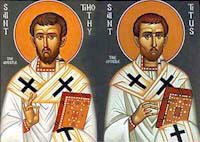
Blessings and Peace on the Feast of Sts. Timothy and Titus!
“Jesus sent out his disciples two by two.” We are not supposed to ‘go it alone,’ because we are part of the body of Christ. Paul, in the Second Letter to the Corinthians, shows us that even a powerful believer and preacher can use ‘a little help from his friends.’

“For this is why I wrote, to know your proven character, whether you were obedient in everything. Whomever you forgive anything, so do I. For indeed what I have forgiven, if I have forgiven anything, has been for you in the presence of Christ, so that we might not be taken advantage of by Satan, for we are not unaware of his purposes. When I went to Troas for the gospel of Christ, although a door was opened for me in the Lord, I had no relief in my spirit because I did not find my brother Titus. So I took leave of them and went on to Macedonia.
“For even when we came into Macedonia, our flesh had no rest, but we were afflicted in every way--external conflicts, internal fears. But God, who encourages the downcast, encouraged us by the arrival of Titus, and not only by his arrival but also by the encouragement with which he was encouraged in regard to you, as he told us of your yearning, your lament, your zeal for me, so that I rejoiced even more.”
Sts. Timothy and Titus helped him out.
St. Francis had his friends, like Br. Leo and Lady Jacoba, who encouraged and helped him on. May we thank God for those who help us along the path of life, and the way of faith!
“Jesus sent out his disciples two by two.” We are not supposed to ‘go it alone,’ because we are part of the body of Christ. Paul, in the Second Letter to the Corinthians, shows us that even a powerful believer and preacher can use ‘a little help from his friends.’
“For this is why I wrote, to know your proven character, whether you were obedient in everything. Whomever you forgive anything, so do I. For indeed what I have forgiven, if I have forgiven anything, has been for you in the presence of Christ, so that we might not be taken advantage of by Satan, for we are not unaware of his purposes. When I went to Troas for the gospel of Christ, although a door was opened for me in the Lord, I had no relief in my spirit because I did not find my brother Titus. So I took leave of them and went on to Macedonia.
“For even when we came into Macedonia, our flesh had no rest, but we were afflicted in every way--external conflicts, internal fears. But God, who encourages the downcast, encouraged us by the arrival of Titus, and not only by his arrival but also by the encouragement with which he was encouraged in regard to you, as he told us of your yearning, your lament, your zeal for me, so that I rejoiced even more.”
Sts. Timothy and Titus helped him out.
St. Francis had his friends, like Br. Leo and Lady Jacoba, who encouraged and helped him on. May we thank God for those who help us along the path of life, and the way of faith!
Thursday, January 25, 2007
Conversion of Paul, Ananias, Francis
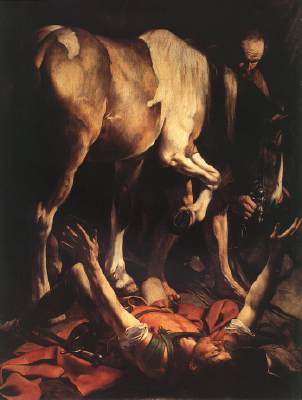
To see Christ in the ones you persecuted
and the people of God in the heathen Gentiles.
To see God's chosen servant
in the very man who had sworn to destroy
God's people.
To see a leper on the road, and embrace Jesus.
Thank You, Lord, for conversion.
Help us all to see!
Monday, January 22, 2007
Life

Peace! Yesterday we had the beautiful reading from St. Paul about being the one Body, and how all the parts have to work together. He mentions how those parts that seem less honorable we clothe with greater care.
We can use this to reflect on our society. How do we work together to support the whole body? An important question: how do we treat those who are least able to defend themselves? How do we treat the unborn, the ill and incapacitated, those debilitated by age or other factors?
Once as a hospital chaplain I was called in to visit a mother who had given birth prematurely. I visited the baby, so tiny and helpless. All the doctors and nurses were working so hard to help this child survive. We prayed and baptized him.
Why does our law commend, and even command, such heroic efforts in regard to a child born early, and yet gives no protection at all to a child, the same age, still in its mother’s womb? Both are precious, both children of God. The debate about abortion raises such contradictions, and reveals the dark side of our culture and society.
I know these are not new reflections, but they have to be repeated. Not so that we can attack them, those outside of us, and so feel smug in our pro-life stance. It is so we can first of all face the basic contradictions in ourselves, in all of us. And first bring that contradictory self to God, the only light in the darkness. This is what St. Francis prayed: “Lord, enlighten the darkness of my heart.”
And, yes, from that place we must act. I commend all those who are on the march for life this day, all those who are fighting in a public way to change our laws. We all have to be part of that struggle, as God guides and gives us. Again: not one of us can do everything, but each of us can do something.
As St. Francis told his brothers; “Let us begin to do good, for up to now we’ve done so little.” And yet, even our little can be taken up by the Good God.
Let us begin today!
Sunday, January 21, 2007
Fulfilled in Your Hearing
Peace and Good! I think one of the secrets of St. Francis' attraction is that He learned to consider Jesus Christ a living presence, not just someone from the past. This is what happened in his encounter with the leper on the plain of Assisi: he experienced God as present, there and then. So when Francis sought to imitate Jesus, it was not so that he could live the life of a first century Palestinian preacher--it was to be a living Gospel and witness to Christ present in 13th century Italy.
And we are called not to become 13th century saints, but living witnesses of the living Christ in 2007.

Many people are gathering in Washington, D.C., to witness to the value of human life and the need to protect it. They tell me, once more, that despite the problems and evils around us, God has not abandoned us. Christ is among us. He fulfills His word.
And, like Francis, we have to decide if we want to be witness of that living presence.
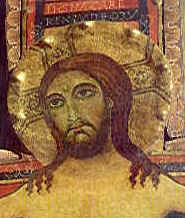
Thank You, Lord, for those who allow Your face to shine in theirs. Thank You, too, for Your whole body. None of us can do everything, but in You each of us can do something, and You will fulfill Your promise to be with us, even to the end of the world.
And we are called not to become 13th century saints, but living witnesses of the living Christ in 2007.
Many people are gathering in Washington, D.C., to witness to the value of human life and the need to protect it. They tell me, once more, that despite the problems and evils around us, God has not abandoned us. Christ is among us. He fulfills His word.
And, like Francis, we have to decide if we want to be witness of that living presence.
Thank You, Lord, for those who allow Your face to shine in theirs. Thank You, too, for Your whole body. None of us can do everything, but in You each of us can do something, and You will fulfill Your promise to be with us, even to the end of the world.
Saturday, January 20, 2007
Do Whatever He Tells You
Peace and Good!
Here is a prayer composed by St. Francis:
Hail, O Lady, Holy Queen,Mary, holy Mother of God:
you are the Virgin made Church
chosen by the most Holy Father in heaven whom He consecrated with His most holy beloved Son and with the Holy Spirit the Paraclete,
in whom there was and is all fullness of grace and every good.
Hail His Palace!
Hail His Tabernacle!
Hail His Dwelling!
Hail His Robe!
Hail His Servant!
Hail His Mother!
And hail all you holy virtues which are poured into the hearts of the faithful through the grace and enlightenment of the Holy Spirit, that from being unbelievers, you may make them faithful to God. Amen.
 It might seem odd, the way “hail all you holy virtues” seems tacked on to a prayer to our Lady. But it is a deep insight of Francis, reflective of his knowledge of the scriptures. In the Gospel from last Sunday (the Wedding at Cana), Mary is an instrument, bringing the needs of the couple to her Son, Jesus. She also says, “Do whatever He tells you.” And when we pray for her help, she says the same to us. And that, of course, is virtue, following the words and example of Our Lord, Jesus Christ, which can only happen in the Holy Spirit.
(Note: icon from the Orthodox Cathedral of St. Seraphim, Dallas TS)
God bless!
Here is a prayer composed by St. Francis:
Hail, O Lady, Holy Queen,Mary, holy Mother of God:
you are the Virgin made Church
chosen by the most Holy Father in heaven whom He consecrated with His most holy beloved Son and with the Holy Spirit the Paraclete,
in whom there was and is all fullness of grace and every good.
Hail His Palace!
Hail His Tabernacle!
Hail His Dwelling!
Hail His Robe!
Hail His Servant!
Hail His Mother!
And hail all you holy virtues which are poured into the hearts of the faithful through the grace and enlightenment of the Holy Spirit, that from being unbelievers, you may make them faithful to God. Amen.
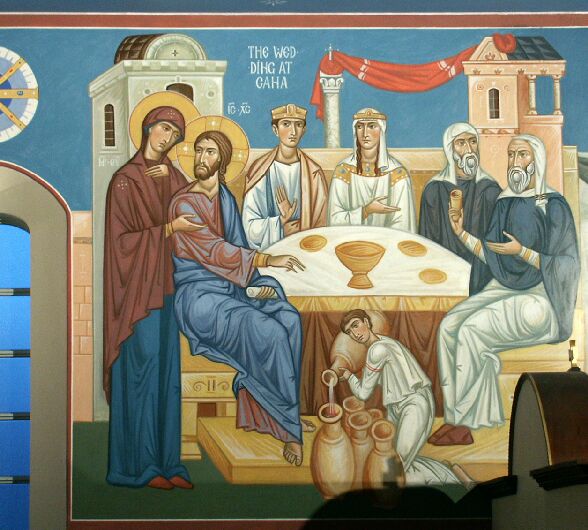 It might seem odd, the way “hail all you holy virtues” seems tacked on to a prayer to our Lady. But it is a deep insight of Francis, reflective of his knowledge of the scriptures. In the Gospel from last Sunday (the Wedding at Cana), Mary is an instrument, bringing the needs of the couple to her Son, Jesus. She also says, “Do whatever He tells you.” And when we pray for her help, she says the same to us. And that, of course, is virtue, following the words and example of Our Lord, Jesus Christ, which can only happen in the Holy Spirit.
(Note: icon from the Orthodox Cathedral of St. Seraphim, Dallas TS)
God bless!
Friday, January 12, 2007
The Clay God Uses: St. Bernard of Corleone
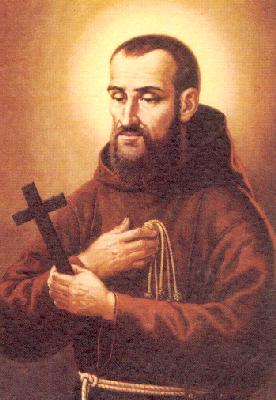
Many people have heard of Corleone, Sicily, though mostly through the Godfather movies. “Hey, that’s the town Don Vito is from; that’s where he got his name!” It was an appropriate choice, actually, as the town has had a reputation for violence. Its seal (which I put here) is a lion eating a human heart.
Philip Latino soaked in a culture of violence, and adapted to it, becoming an excellent swordsman with a fierce reputation. But from his parents he had also absorbed the Christian faith, and an example of another way. So when he severely wounded someone in a sword fight and felt regret in his heart, he knew there was another way he could live. He turned to Christ and ended up joining the Capuchins, living a holy life in the midst of a violent society. He is St. Bernard of Corleone, whose feast is today.

Our world is a violent one, and violence seems the only effective response. But St. Bernard shows that there can be an alternative, even for those who have given in to the lure of violence.
St. Francis lived in violent times, and he too was lured by violence, even to fighting in Assisi’s war against Perugia. But defeat, imprisonment and illness made him disillusioned with violence. By God’s grace, he, too, saw another way was possible, and walked in it.
God’s power to transform is not limited. I think we should keep that in mind when we consider our own lives and our faults and sins, as well as those of others. We should pray for those who use terror as a weapon. Pray not for their death but their conversion. Imagine if all that energy were used to build up the world! Hard to imagine, yes. But it is just as hard to imagine that slaying the Messiah would, in fact, be a work of redemption.
God’s mercy and love are not limited. May God help us believe that, and live the consequences.
Peace and Good!
Thursday, January 11, 2007
I Do Want it: Be Healed
Peace and Good! Today's Gospel is Jesus' encounter with the leper in the first chapter of Mark's gospel. It is a simple, powerful scene. There is the leper's confident plea, and Jesus' response. First of all, "I do will it." We can forget that God wants our healing, our salvation. We don't have to make God love us, but that is often how we look at our religion. God wills us to be healed; the question is: Do we want to be healed?

Even more impressive is the fact that Jesus stretched out his hand to touch that leper. This was a violation of the law as well as common sense. You just didn't touch a leper. Unless you're Jesus, God's compassion made flesh.
This all brings to my mind Francis of Assisi and his encounter with the leper outside of Assisi. Here we see his first real attempt to be Christ-like, to do what Jesus did. It was hard for him, I am sure. But he himself testifies that God worked in the whole experience: what was bitter was changed to sweetness of soul and body. Francis was faced with the question: do you want to be healed. And that day he answered, I do will it.
Finally, let's not forget the lepers, either in the Gospel or in Assisi. They were not just props, objects to show the power of Jesus or the conversion of Francis. They were real persons, loved by God. Maybe God did something powerful for those lepers in their encounters. We know he healed the man in the Gospel. But maybe the leper outside of Assisi needed someone to embrace him, to remind him that he was human, to keep him from despairing. Maybe Francis was God's instrument of the leper as much as the leper was for Francis.
God is wonderful.
God bless and keep you!
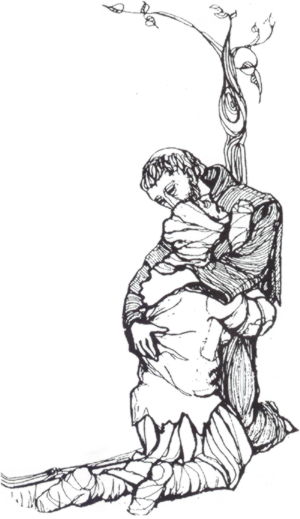
Even more impressive is the fact that Jesus stretched out his hand to touch that leper. This was a violation of the law as well as common sense. You just didn't touch a leper. Unless you're Jesus, God's compassion made flesh.
This all brings to my mind Francis of Assisi and his encounter with the leper outside of Assisi. Here we see his first real attempt to be Christ-like, to do what Jesus did. It was hard for him, I am sure. But he himself testifies that God worked in the whole experience: what was bitter was changed to sweetness of soul and body. Francis was faced with the question: do you want to be healed. And that day he answered, I do will it.
Finally, let's not forget the lepers, either in the Gospel or in Assisi. They were not just props, objects to show the power of Jesus or the conversion of Francis. They were real persons, loved by God. Maybe God did something powerful for those lepers in their encounters. We know he healed the man in the Gospel. But maybe the leper outside of Assisi needed someone to embrace him, to remind him that he was human, to keep him from despairing. Maybe Francis was God's instrument of the leper as much as the leper was for Francis.
God is wonderful.
God bless and keep you!
Monday, January 08, 2007
St. Elizabeth Ann

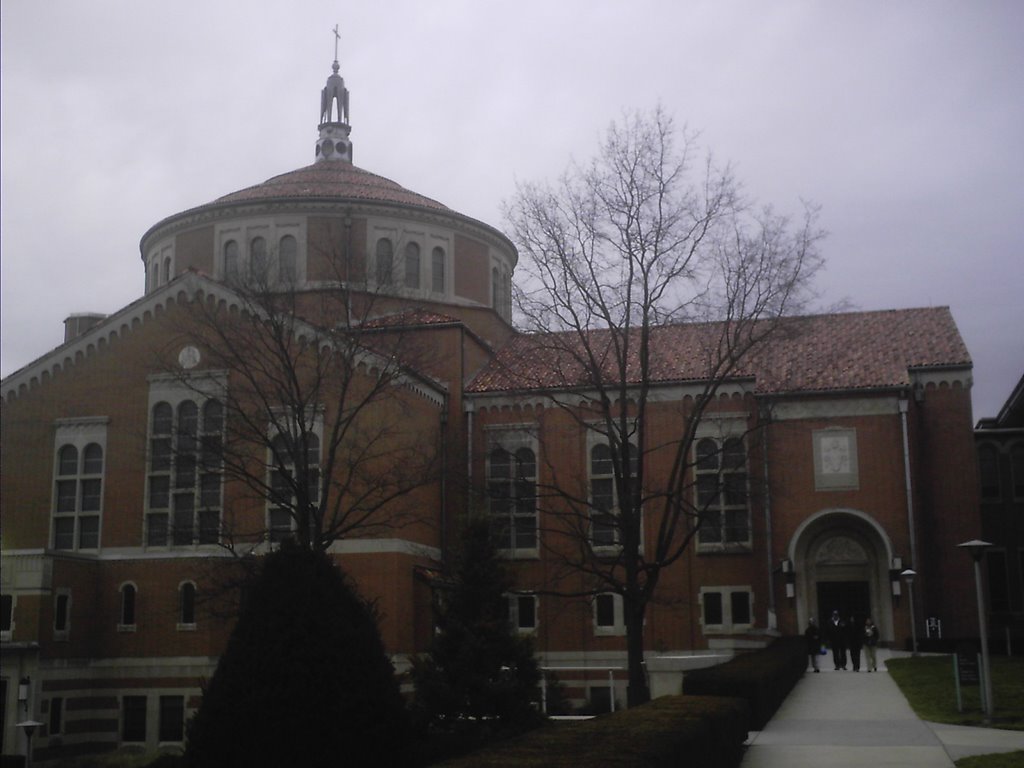
Peace! Since my last post, I've had a chance to visit the National Shrine of St. Elizabeth Ann Seton in Emmitsburg, Maryland. It is a beautiful place. I am attaching a couple photos. It is a great thing to reflect on her life, knowing that she didn't live all that long ago, and was an American by birth and life. May she intercede for all of us!
Thursday, January 04, 2007
The Clay God Uses: St. Elizabeth Ann Seton

Peace and Good!
Today's Gospel from John mentions three times "which is translated as..."
The saints are those who learned how to translate the Gospel into living witness.
Elizabeth Ann Seton was called to do this in many ways.
One dramatic moment: after her conversion to Roman Catholicism, she was shunned by many of her family, who were angry that she joined the "shabby, shiftless, scrubby Catholics." They made her life very difficult, and tried to get her out of New York, her home. But one of them became ill, and asked for Elizabeth to visit her and help her as death neared. Elizabeth had to decide if she would go, despite the pain that her relatives had caused her. She decided she needed to 'translate' the Gospel message, to show love to those who made her suffer. She went to the bed of her relative, and helped her to die in prayer and peace.
This was one of the big reasons people were so drawn to St. Francis of Assisi: he 'translated' the Gospel into living witness. In an era when there was much debate over words and concepts, he made the Gospel message real by his example and life.
This is what Jesus calls us all to do.
Why do we think it's possible? Because first of all, that is what Jesus Himself does. The Incarnation is the 'translation' of God's love into terms we can understand. "God so loved the world that He sent His only Son."
Jesus Christ is this love made present, not only in the past, but each day, each moment. One of the things that caused St. Elizabeth Ann's conversion was here awe at the Real Presence of Christ in the Blessed Sacrament. It made real for her the Lord's promise to be with us (as it did with St. Francis). Through Jesus she also came to know Mary, His Mother, whom He gave to us as our Mother too.
Secondly, we have the example of the saints. Each in his or her own way translated the Gospel into a living message. And we are all called to do the same, each in a particular way.
May God bless and help us in this New Year 2007 to believe in Christ present among us, and, like Mary our Mother, ponder on that in our hearts and then live it in our daily lives.
God bless and keep you!
Monday, January 01, 2007
Mary, Mother of God
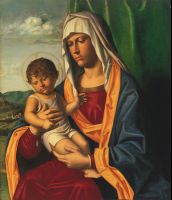
Peace and Good! I just read somewhere that the idea of making Jan. 1 the beginning of the New Year was actually Julius Caesar's. The month of January was named after Janus, the two-headed Roman god who watched the gates and doors, a sort of guardian. Mary has often been called the Gate, so it's good to enter the New Year with her feast. She is the one who opened her heart and her body to receive God's Son, and then opened them both to give Him to the world. Thank you, Blessed Mother of us all. Help us to open ourselves as you did.
As the reading today says, and St. Francis often repeated:
May the Lord bless you and keep you,
May the light of His countenance fall upon you.
May He turn His face to you and have mercy on you.
May the Lord give you peace!
God bless us all in 2007.
Subscribe to:
Posts (Atom)